
A rare, lifelong disease that can affect your whole body

Getting to know GPP
GPP stands for generalized pustular psoriasis (sometimes called pustular psoriasis or von Zumbusch psoriasis). It is a chronic, persistent disease that causes ongoing inflammation throughout your body. There is no cure — it requires ongoing management.
GPP is uncommon, which means many people (including your dermatologist) may not know what it is. Finding support often means being your own best advocate: gathering information, understanding all of your treatment options, and directly asking for what you need from friends, family, colleagues, and your doctor.
The facts


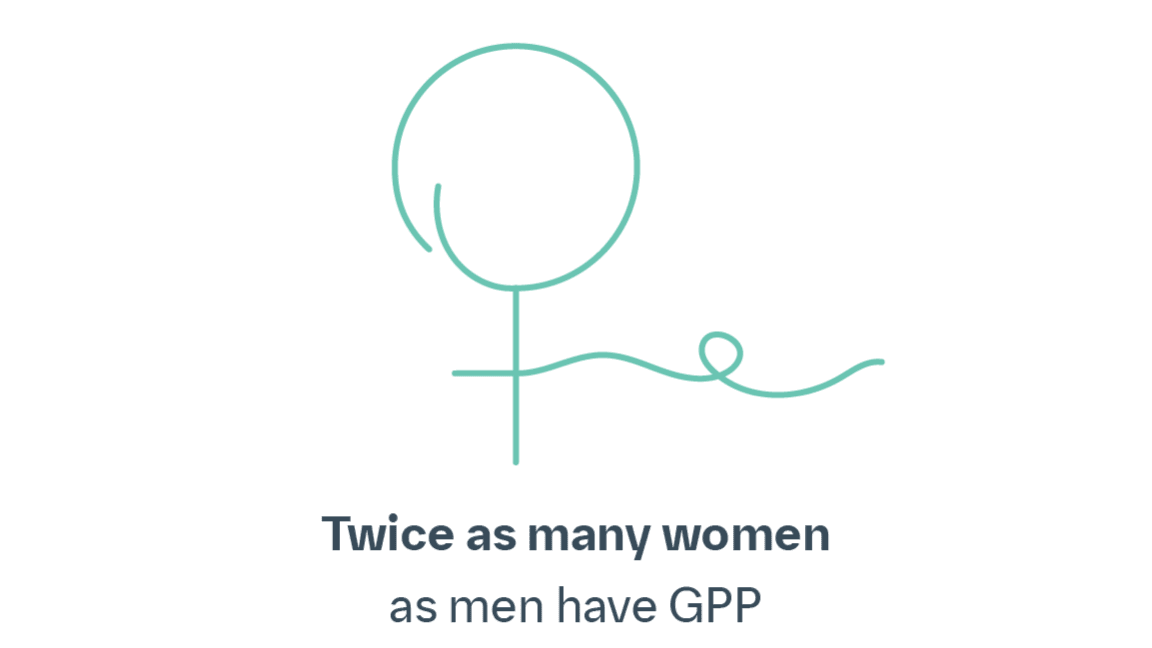


The symptoms
Symptoms of GPP may appear both on and beneath the skin:
On the skin
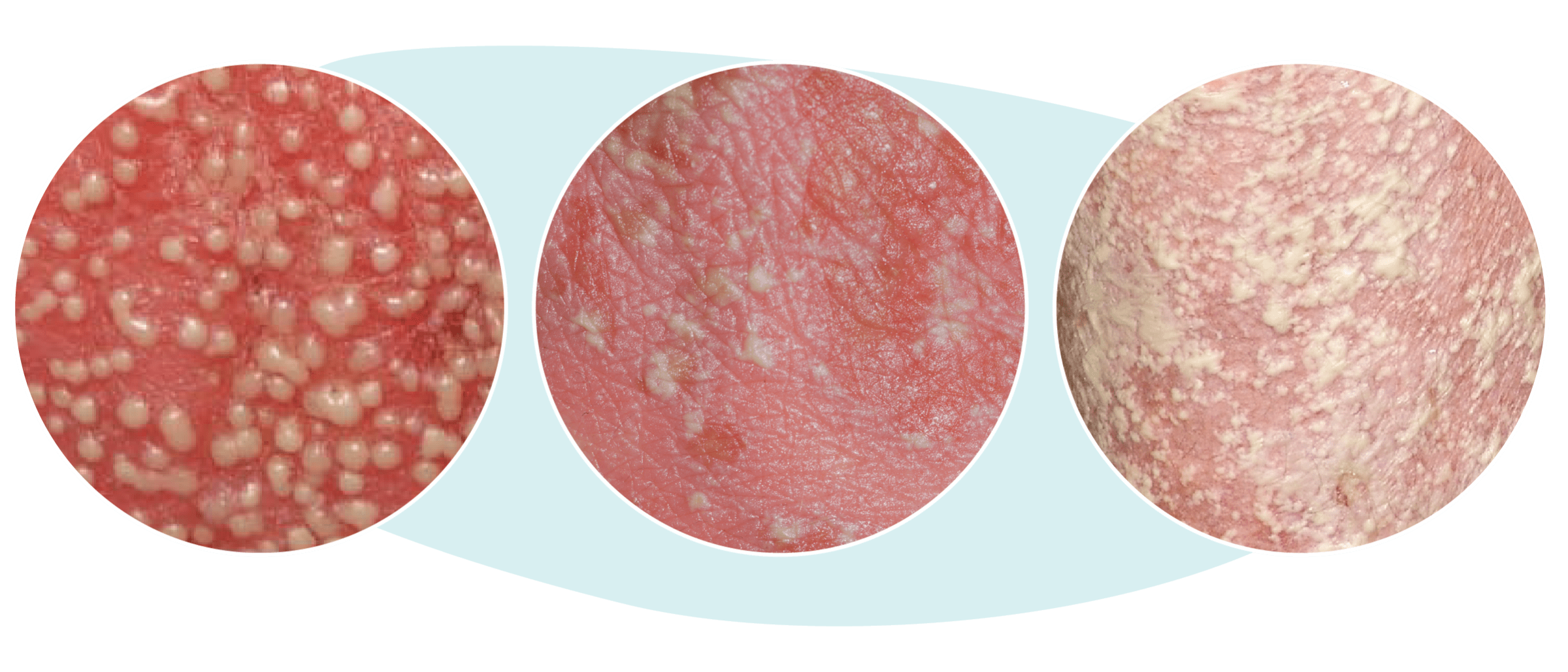
Full photo credits listed below.
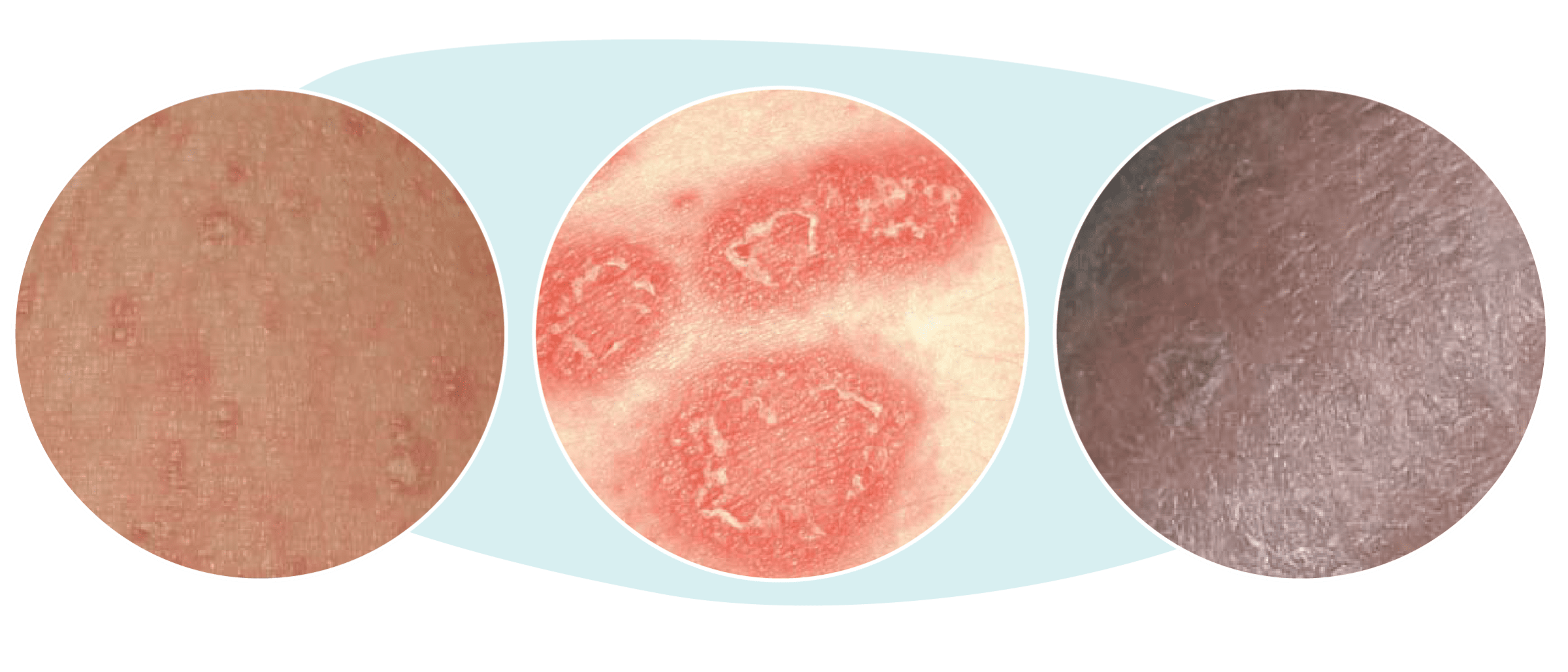
Painful pus-filled blisters called “pustules” can appear suddenly and cover large areas of the body. While they are forming, some people say pustules can look like pimples or whiteheads.
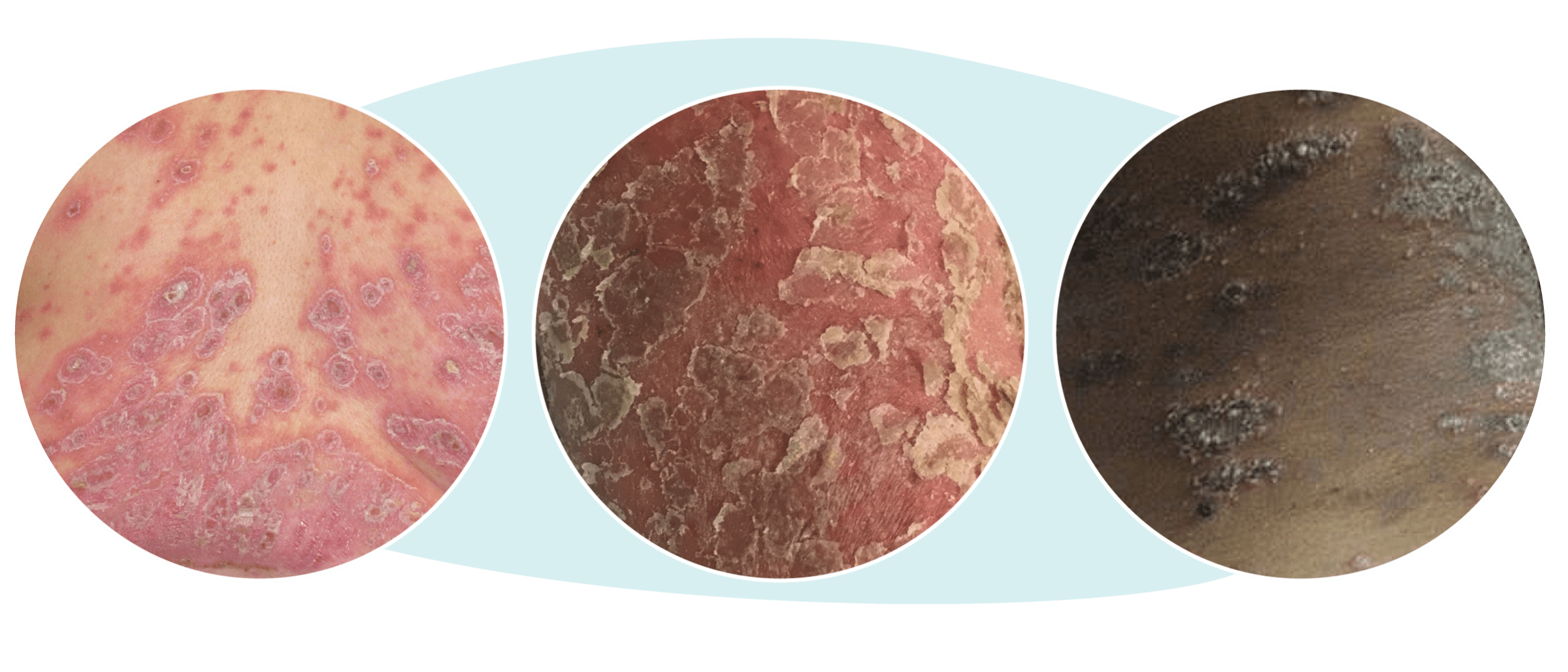
Full photo credits listed below.
Skin can swell, burn, or become red, dry, or scaly; in people of color, skin can appear purple, brown, or a shade darker than natural skin tone.
Beneath the skin
Fever, chills, exhaustion, joint pain, nausea, and general discomfort or weakness can occur.
These symptoms can vary over time.
The ups and downs
You’ll often hear the word “flares” used when speaking about GPP. Flares describe sudden, intense symptoms, including episodes of widespread pustules that can occur without warning and become severe. Triggers of flares can be different for each person. Common triggers include infection, stress, stopping steroids, and pregnancy.
Importantly, you can experience significant GPP symptoms even in the absence of flares. Even in between flares, skin can be red, have small blisters, and scale.
These ups and downs can often cause anxiety and impact daily life.
Ongoing care matters
Regardless of whether symptoms are mild or severe, it’s important to get appropriate treatment as soon as possible. The goal of GPP management is to achieve long-term protection from flares and help daily life get back to normal.
GPP can lead to life-threatening complications, including sepsis or organ failure, requiring emergency care. Talk to your doctor about how to best manage your GPP over time.
GPP is different
GPP can be mistaken for plaque psoriasis, even by dermatologists, but they are different diseases caused by different processes in the body.
GPP
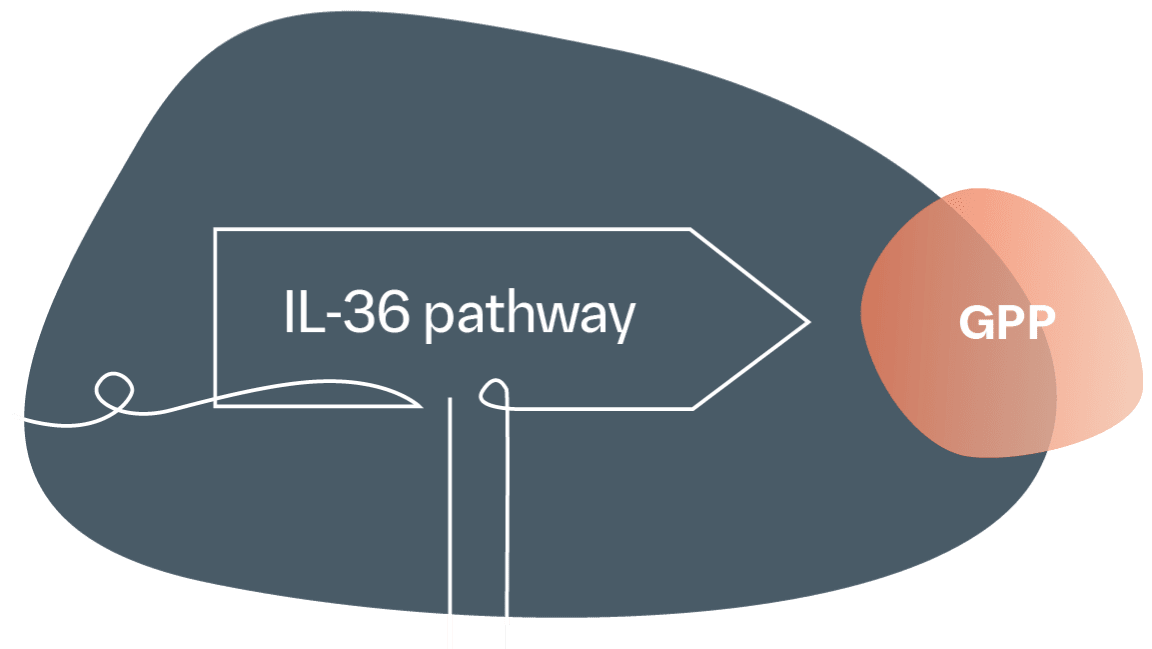
Primarily driven by the IL-36 pathway
Red, itchy, burning skin
Dry, scaly skin
Pustules on the skin
Exhaustion, fever, joint pain
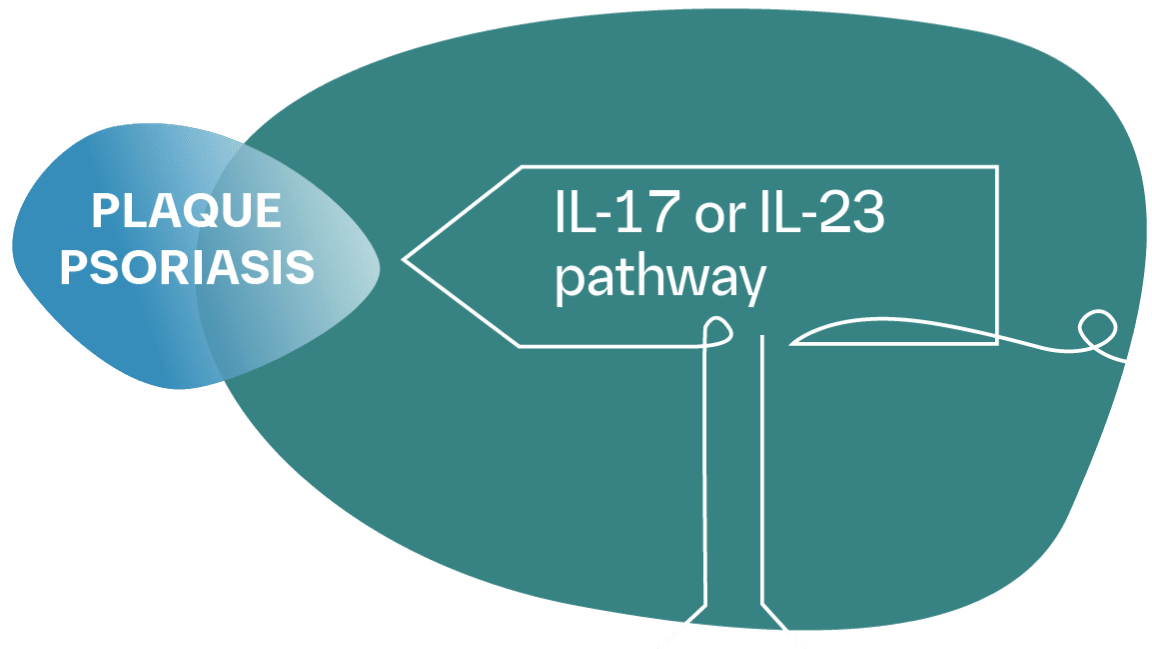
Plaque psoriasis
Primarily driven by the IL-17 or IL-23 pathway
Red, itchy, burning skin
Dry, scaly skin
About half of people with GPP also have plaque psoriasis, so it’s important to know if you have one or both diseases. An accurate diagnosis is the first step in finding the treatment that may work best for you.
Helpful resources

What is GPP?
What to look for
Hear from people living with GPP as they describe their first symptoms
How flares can appear
See how some community members experienced severe symptoms
GPP is not plaque psoriasis
A video explaining how GPP and plaque psoriasis are different


Row 1 images reproduced with permission: center, ©DermNet dermnetnz.org 2025; right, ©Elsevier: Romiti R, et al. An Bras Dermatol. 2022;97(1):63-74. Row 2 images reproduced with permission: left, ©Te Whatu Ora dermnetnz.org 2025; center, Elsevier: Romiti R, et al. An Bras Dermatol. 2022;97(1):63-74; right, ©Frontline Medical Communications 2012.